GLOBAL WARMING
IMPACTS
Over the past 50 years, the earth’s temperature has been increasing drastically leading to greater harm in various ecosystems, melting of the glaciers and a rise in air pollution.

HARMS ECOSYSTEMS
MELTING GLACIERS

AIR POLLUTION
The first impact of global warming is the destruction of ecosystems. As temperatures keep rising and warming the Earth, many wildlife and their habitats are being affected. For example, the Adelie penguin species are threatened as some populations have decreased by 90%. On the other hand, some species have grown in vast numbers ultimately disrupting the ecosystem. One example is the bark beetle which feeds on pine and spruce trees ultimately affecting millions of forestry across the United States.
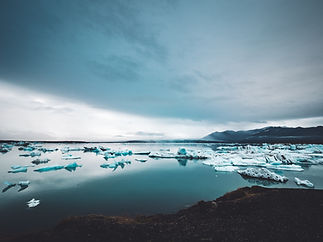
95% of the oldest and thickest ice in the Arctic is already gone, this is because of the rising temperatures. It is predicted that ⅓ of the world’s remaining glaciers will vanish by 2100. As a result, sea levels will rise which affects many people as well as ecosystems. Many indigenous people are being affected by the melting glaciers as it limits their transportation and makes their food source scarce as more animals are being affected. Many people’s homes and ecosystems are being destroyed as more and more sea ice is melting and sea levels are rising.
Air pollution is caused by particles and gases from transportation, factories and more. Air pollution has serious impacts on the environment and people. Inhaling air pollution can actually take away at least 1-2 years of a typically human’s life. Air pollution is even more dangerous and harmful as opposed to land and water pollutants. Acid rain is a result from air pollution and has harmed many eco systems. 88% of the Great Lakes were impaired by acid rain and approximately 21,000 miles of streams were tainted.